

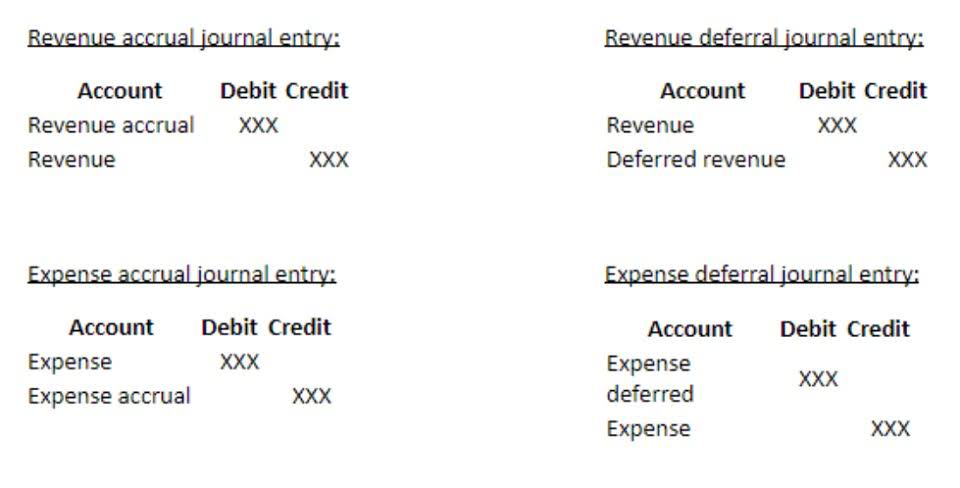
Bookkeepers keep records of every financial transaction, including payments, purchases, and income. They use bookkeeping software or spreadsheets to ensure every dollar is accounted for. When you think of bookkeeping, you may think it’s all just numbers and spreadsheets. Bookkeeping is the meticulous art of recording all financial transactions a business makes. By doing so, you can set your business up for success and have an accurate view of how it’s performing. Proper bookkeeping gives companies a reliable measure of their performance.
Bookkeeper shares 4 tips to help small business owners manage their books

With this mind, you may want to consider With this in mind, you may want to consider QuickBooks Live Expert Full-Service Bookkeeping. This service offers an affordable and flexible solution, providing you with access to a dedicated team of bookkeepers without the overhead costs of hiring in-house staff. Hiring a professional bookkeeper, especially an in-house employee, can be expensive. Along with salary, there are other costs to consider, like employee health benefits, training, and any necessary software or tools. By staying up to date with your bookkeeping throughout the year, you can help alleviate some of the stress that comes with filing your taxes.
What is the difference between bookkeeping and accounting?
A solid bookkeeping system can help you maintain accurate financial records, make informed decisions, and prepare for tax season with confidence. Bookkeeping Process is a fundamental part of accounting that involves recording financial transactions into accounts. Bookkeeping is the backbone of accounting, and it’s essential to understand its definition. Bookkeeping is the process of recording, classifying, and reporting financial transactions of a business. Many professionals rely on dedicated accounting glossaries and reference platforms to deepen their understanding of key terms.
Revenue Principle
They perform various business functions such as the preparation of financial reports, payroll and cash management. Computerization has done away with most of the paper ‘books’ that bookkeepers traditionally used to record financial transactions. However, software programs still enforce traditional bookkeeping double-entry or single-entry systems. It facilitates basic bookkeeping tasks, such as invoicing and expense tracking, but it also offers Payroll Taxes accounting functions including financial reporting, payroll and tax management. Bookkeeping is broadly defined as the recording of financial transactions for a business.
- You should consult your own professional advisors for advice directly relating to your business or before taking action in relation to any of the content provided.
- The money spent to keep a business running, like rent, utilities, or employee salaries.
- Checks/Cheques that have not been deposited to the bank are said to be unpresented.
- From assets to taxable income, these terms are the building blocks of understanding a business’s financial story.
- The financial record and cash flow help investors assess the condition of the organization.
- Most accounting definitions used in the United States align with standards established by the Financial Accounting Standards Board (FASB).
- In recent years, there has been a growing demand on the part of stakeholders for information concerning the social impacts of corporate decision making.
Reconcile accounts
- Reliable information is verifiable, representationally faithful, and neutral.
- So if Betty buys a bag for $10 and sells it for $15 her markup is $5.
- They may also perform wider tasks such as invoicing, paying bills, preparing tax returns, monitoring key performance indicators, and providing strategic advice.
- An asset account in the bookkeeping system in which is entered money that has not yet been deposited to the bank.
- A financial advisor or accountant can provide you with some guidance on the best type of bookkeeping software for your business.
In short, although accounting is sometimes overlooked, it is absolutely critical for the smooth functioning of modern finance. Financial accounts have two different sets of rules they can choose to follow. The first, the accrual basis method of accounting, has been discussed above. These rules are outlined by GAAP and IFRS, are required by public companies, and are mainly used by larger companies. You can outsource your accounting work to outside professionals who specialize in bookkeeping and tax preparation.
- Anyone with this number can file a tax return for you, but they can’t represent you in other matters.
- Accounting information can be developed for any kind of organization, not just for privately owned, profit-seeking businesses.
- Also, receipts are what everyone gets when shopping with their bank card and swiping the card through the electronic machine at the shop counter.
- By 1880, the modern profession of accounting was fully formed and recognized by the Institute of Chartered Accountants in England and Wales.
- Accounting provides information for all these purposes through the maintenance of data, the analysis and interpretation of these data, and the preparation of various kinds of reports.
- Bookkeeping services come at varying costs depending on the complexity and level of service required.
What is an Example of a Credit in Bookkeeping?
- While you might choose to hire an accountant for specialized services or tax preparation, you can always handle the books yourself.
- Publication 583 explains recordkeeping expectations for small businesses, as well as single entry and double entry basics.
- The processof collating, recording and reporting on the financial transactions carried outby a business.
- Generally, a business needs a bookkeeper year-round to record income and expenses, pay bills and manage payroll, whether you do that bookkeeping yourself or hire a professional.
- The hallmark of neutrality is its demand that accounting information not be selected to benefit one class of users to the neglect of others.
We can not guarantee its completeness or reliability so please use caution. Any action you take based on the information found on cgaa.org is strictly at your discretion. CGAA will not be liable for any losses and/or damages incurred with the use of the information provided. The accountant plays a key role in coordinating activities across the organization to optimize results. Long-term liabilities have a maturity of greater than one year and include items like mortgage loans. Liabilities are what a business owes, https://www.bookstime.com/ such as what they owe to suppliers, banks, and business loans.
A refund can be provided to or from another business if bills have been overpaid. One example is the gross profit margin which is based on sales divided by gross profit and the result turned into a percentage. Businesses can chose what margins they should have to be able to earn a profit and based on those margins decide what prices to sell their products to make this happen. These items are kept in a store room of some sorts and a strict record kept of the number of items on hand at any given time. Money that is earned by a business through the sale of products or services.
You need to decide which accounting method you will use for your company. Either way, it’s critical to have an accurate balance sheet and income statements. Both accountants and bookkeepers maintain accurate financial records, and sometimes, the terms are used interchangeably. An accountant may interpret the bookkeeping definition financial records that a bookkeeper compiles in order to assess a company’s financial health.

Frequent financial reporting can help you better understand your business. For instance, generating a profit and loss statement (P&L) every month can show you how your profitability is changing over time. It may even reveal annual cycles that can help you plan financially—like holding onto cash from your busy season to help you make it through the slower months. Today, even professional bookkeepers rely on accounting software to help them adhere to these standards. Accounting provides information for all these purposes through the maintenance of data, the analysis and interpretation of these data, and the preparation of various kinds of reports.